Hajo
Hajo, a timeless heritage town located close to Guwahati, where spirituality, history, and living traditions converge. Positioned on the northern bank of the Brahmaputra River, Hajo is one of the rare places in India revered simultaneously by Hindus, Muslims, and Buddhists. This unique spiritual harmony makes Hajo far more than a pilgrimage center. It stands as a cultural symbol of Assam’s inclusive past and present.
Often described as a sacred satellite of Guwahati, Hajo near Guwahati attracts pilgrims, historians, culture enthusiasts, and curious travelers seeking depth beyond typical tourist circuits. We present a detailed, authoritative guide to Hajo, highlighting its religious landmarks, historical evolution, cultural relevance, and practical travel insights.
Geographical Significance of Hajo
Hajo is situated approximately 24 kilometers northwest of Guwahati, making it easily accessible while retaining its tranquil character. Nestled amidst rolling hills, ancient pathways, and riverine landscapes, the town occupies a strategic position along historic trade and pilgrimage routes of Assam.
The Brahmaputra River has shaped Hajo’s destiny for centuries. Its fertile plains supported early settlements, while river access encouraged the exchange of religious ideas and architectural styles. Even today, the geography of Hajo contributes to its calm, reflective atmosphere, ideal for spiritual exploration.
Historical Evolution of Hajo
Hajo’s recorded history stretches back to ancient and medieval Assam. Archaeological evidence and literary references suggest that the region flourished under several dynasties, including the Pala and Ahom rulers. These kingdoms patronized temples, learning centers, and religious institutions, leaving behind a layered cultural legacy.
During the medieval period, Hajo emerged as a prominent religious hub. Vaishnavism gained strong roots here under royal support, while Islamic traditions arrived through saints and travelers from the west. This organic coexistence of faiths shaped Hajo into a spiritual crossroads that continues to thrive without conflict.
Hayagriva Madhava Temple: The Heart of Hajo
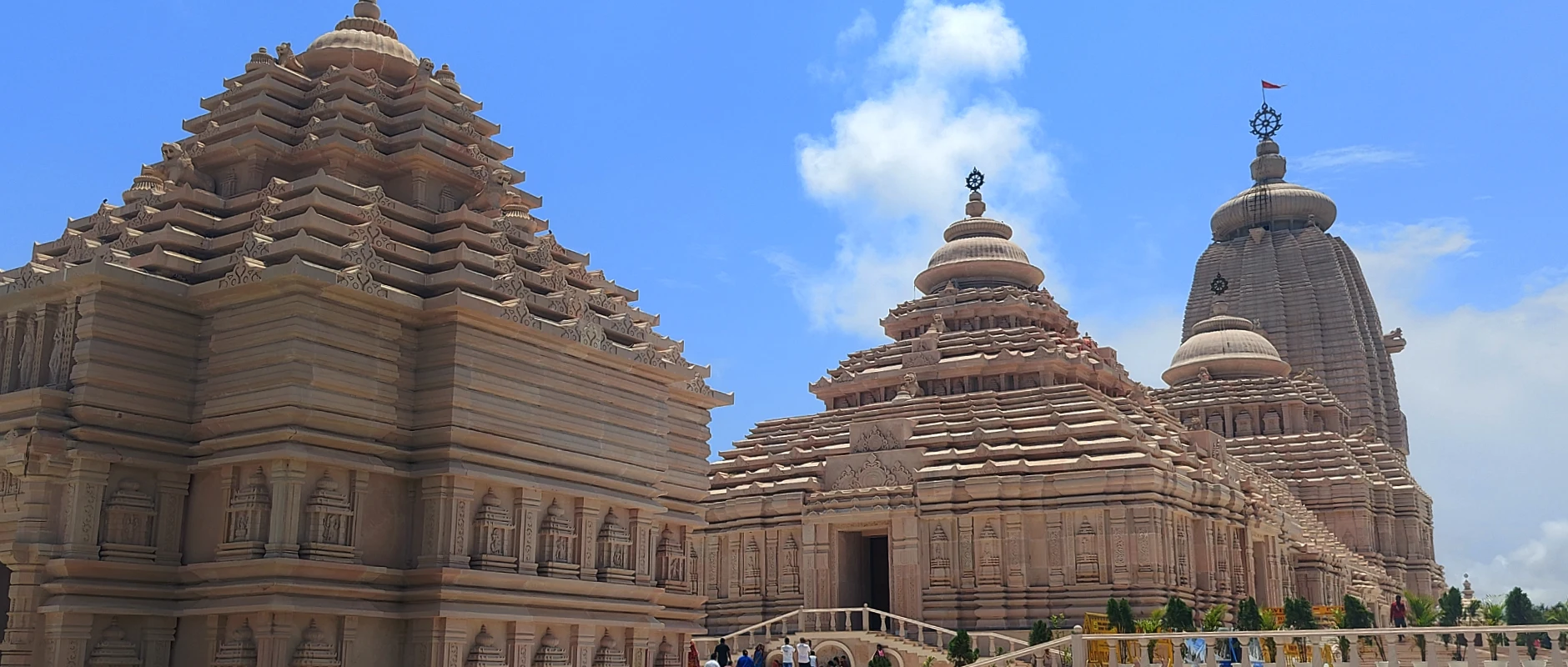
At the spiritual core of Hajo stands the revered Hayagriva Madhava Temple, perched atop Monikut Hill. This ancient temple is dedicated to Lord Vishnu in his Hayagriva form and is considered one of the most sacred Vishnu shrines in eastern India.
The temple’s architectural style reflects a fusion of Buddhist, Hindu, and indigenous Assamese elements. Stone carvings, sculpted panels, and ritual spaces point to centuries of uninterrupted worship. Buddhists also regard this site with reverence, believing it to be associated with Lord Buddha’s nirvana.
Major festivals such as Doul Utsav, Janmashtami, and Buddha Purnima draw thousands of devotees, transforming Hajo into a vibrant spiritual landscape filled with chants, colors, and rituals.
Powa Mecca: A Sacred Islamic Landmark
Hajo is equally significant for followers of Islam due to Powa Mecca, one of the oldest Islamic pilgrimage sites in India. Established in the 17th century by the revered saint Ghiyasuddin Auliya, Powa Mecca holds immense religious importance.
It is believed that the soil used in its construction was brought from Mecca, giving the shrine its name. Devotees consider a pilgrimage to Powa Mecca equivalent to one-quarter of the Hajj, hence the term “Powa.”
The shrine complex, with its domes, prayer halls, and serene surroundings, attracts thousands during Urs festivals and on significant Islamic occasions. Its presence alongside major Hindu temples defines Hajo’s rare spiritual inclusivity.
Hajo as a Buddhist Pilgrimage Destination
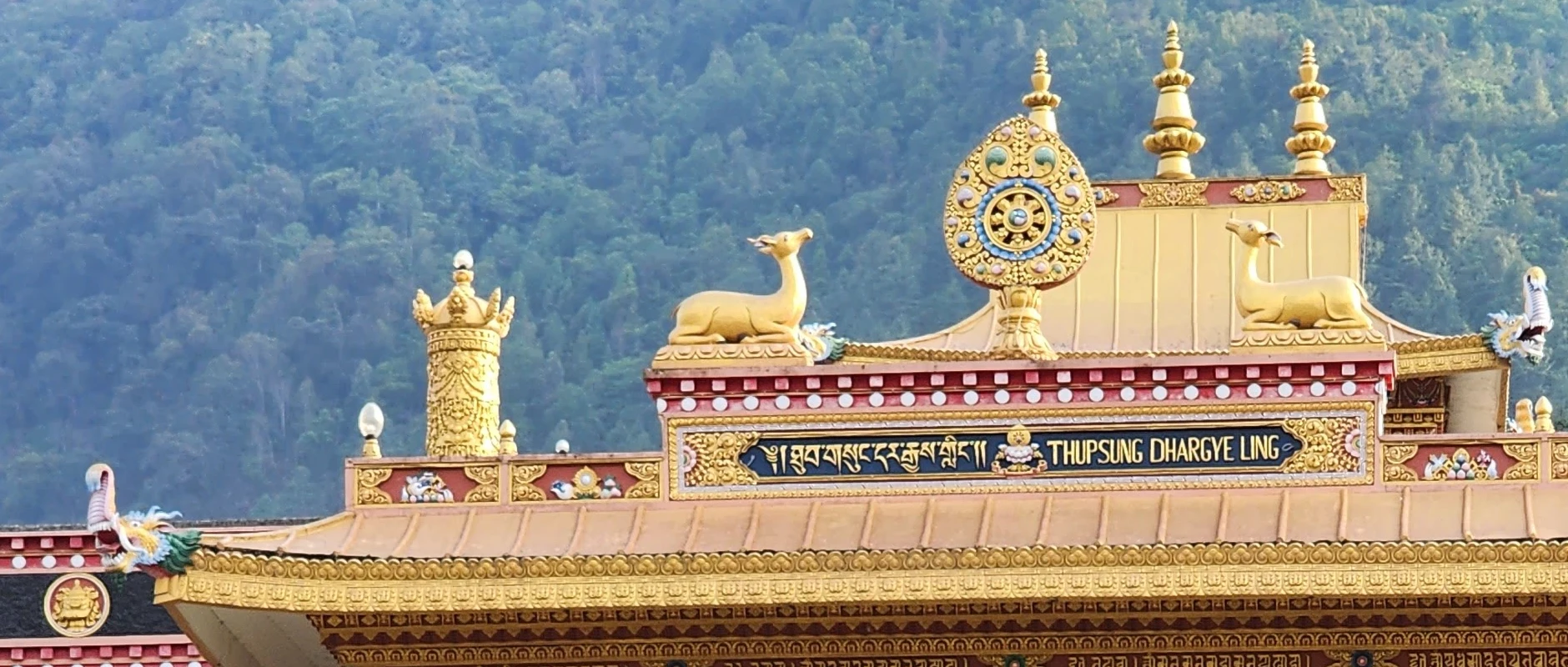
Hajo’s importance extends into Buddhist traditions as well. Many Buddhist scholars identify the Hayagriva Madhava Temple site with ancient Buddhist legends. Tibetan Buddhists, in particular, visit Hajo believing it to be associated with Mahaparinirvana traditions.
This multi-religious recognition places Hajo among a select few destinations in India that serve as shared sacred spaces, enhancing its global spiritual relevance.
Cultural Life and Local Traditions
Beyond temples and shrines, Hajo reflects authentic Assamese rural culture. Daily life revolves around agriculture, handicrafts, and religious observances. Traditional Assamese houses, local markets, and age-old customs remain integral to the town’s identity.
Local artisans craft items from bamboo, bell metal, and clay. Festivals are celebrated with community participation, folk music, and traditional cuisine. Visitors experience a slower, more grounded rhythm of life that contrasts sharply with urban Guwahati.
Festivals and Religious Events in Hajo
Hajo’s calendar is filled with festivals that showcase its spiritual diversity:
Doul Utsav at Hayagriva Madhava Temple
Janmashtami celebrations with night-long prayers
Urs at Powa Mecca, attracting devotees from across India
Buddha Purnima, observed by Buddhist pilgrims
These events highlight centuries-old traditions still practiced with devotion and communal harmony.
How to Reach Hajo from Guwahati
Reaching Hajo from Guwahati is convenient and straightforward:
By Road: Regular buses, shared taxis, and private vehicles connect Guwahati to Hajo via well-maintained roads.
By Rail: Guwahati Railway Station serves as the nearest major railhead.
By Air: Lokpriya Gopinath Bordoloi International Airport in Guwahati provides domestic and limited international connectivity.
The short travel time makes Hajo ideal for a day trip or a peaceful overnight stay.
Best Time to Visit Hajo
We recommend visiting Hajo between October and March, when the weather is pleasant and suitable for temple visits and sightseeing. Monsoon months bring lush greenery but may affect travel due to heavy rainfall. Festival periods offer cultural richness but also draw large crowds.
Why Hajo Matters in Assam’s Tourism Landscape
Hajo occupies a unique position in Assam tourism. Unlike conventional destinations, it offers spiritual depth, historical continuity, and cultural authenticity in one compact region. Its proximity to Guwahati allows travelers to explore sacred heritage without extensive travel.
For those seeking meaningful travel experiences rooted in faith, history, and coexistence, Hajo near Guwahati stands unmatched.